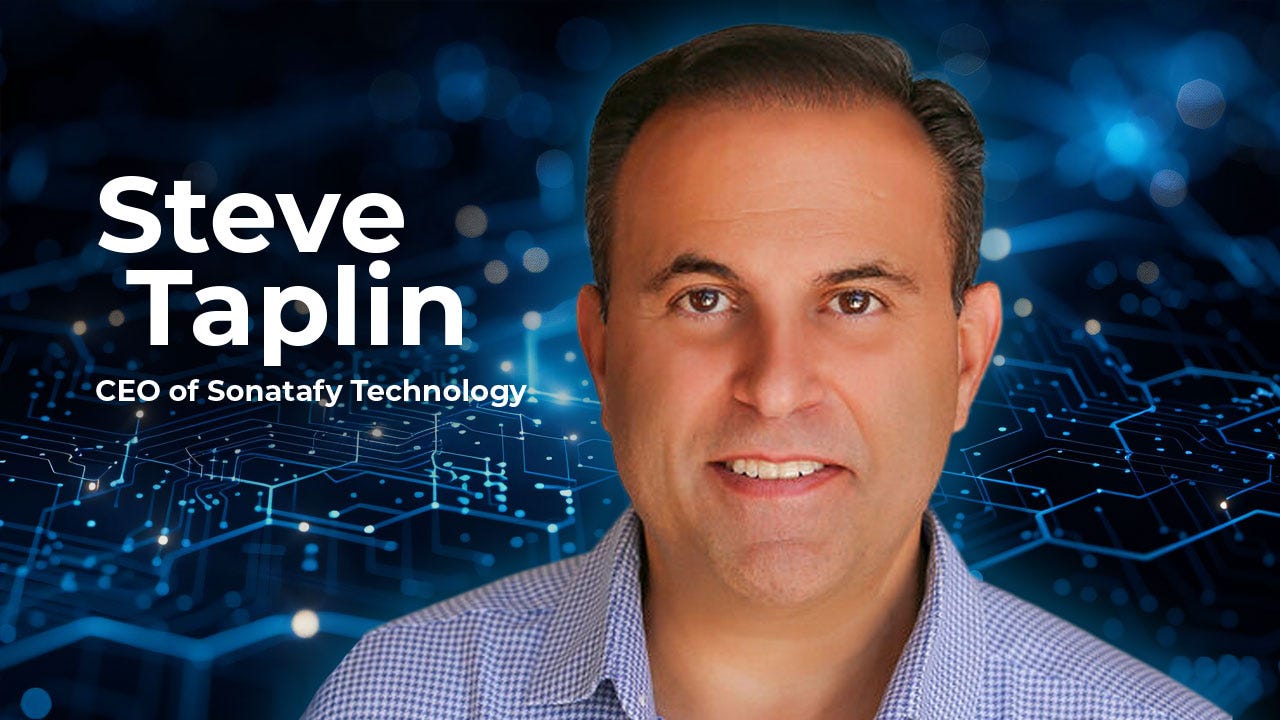
I’ve built 30 companies during my career. 20 failed, and 10 were successful. The most important thing I’ve learned from those experiences is a simple fact. Things change. And when they do, it happens quickly. So quickly that most people aren’t ready for what’s happening and immediately fall behind, sometimes with disastrous effects.
I used to think being a strong software leader was enough. If you could build scalable systems and ship on time, you were doing your job. That was the standard I held myself to. But that world has shifted, and I’ve had to confront something uncomfortable. Software leadership, on its own, isn’t enough anymore.
VISIT MY SUBSTACK FOR FREE ARTICLES, VIDEOS & PODCASTS >>
AI has changed the game in ways we never expected. It doesn’t replace software, but it reshapes what software is. It changes how it’s built, how it behaves, and what users expect from it. And if you’re leading software teams without stepping into AI, you’re already behind, even if everything still looks like it’s working.
The first time I felt this shift was when I saw how quickly expectations moved. Users don’t want static workflows anymore. They expect systems to adapt, predict, and respond in ways that feel almost human. Features that used to take months to design and build can now be prototyped in days with the right AI tools. The gap between what’s possible and what’s delivered has widened, and that gap is where companies win or lose.
As a software leader, I used to focus on architecture, performance, and delivery cadence. Those things still matter, but they don’t define the edge anymore. The edge comes from how intelligently your system behaves. It comes from how well you can integrate models, manage data pipelines, and create feedback loops that improve over time. That’s not a side skill. It’s the core.
Rethinking Leadership
I had to rethink what leadership meant in this context. It’s not about becoming a machine learning expert overnight. It’s about understanding enough to make the right calls. You need to know what problems AI can actually solve and where it creates more risk than value. You need to guide your team through decisions that don’t have clear precedents. That requires a different kind of judgment.
One of the biggest shifts for me was realizing that AI introduces a level of uncertainty that traditional software doesn’t. Code is deterministic. You write it, test it, and expect it to behave the same way every time. AI systems don’t work like that. They’re probabilistic. They evolve based on data. They can drift, degrade, or produce unexpected results. That changes how you think about quality, testing, and accountability.
Asking Different Questions
I had to start asking different questions. Not just “Does it work?” but “How does it behave over time?” Not just “Is it accurate?” but “Is it reliable under pressure?” Not just “Can we build this?” but “Should we?” Those questions don’t always have clean answers, and that’s where leadership shows up.
Another reality I had to face is that AI compresses the distance between ideas and execution. That sounds like a benefit, and it is, but it also creates pressure. When your team can move faster, expectations rise just as quickly. There’s less tolerance for slow iteration cycles. There’s less patience for incremental improvement. You have to rethink how you prioritize, how you scope work, and how you protect your team from chasing every shiny opportunity.
At the same time, AI exposes weaknesses in your organization that were easy to ignore before. Poor data quality becomes a blocker instead of an inconvenience. Fragmented systems become liabilities. Teams that aren’t aligned struggle to take advantage of the speed AI offers. As a leader, you can’t delegate those problems away. You have to confront them head-on.
A Cultural Shift
What surprised me most was how much this shift affected culture. Engineers who were comfortable in a traditional stack suddenly felt uncertain. Some leaned in and experimented. Others hesitated, unsure where they fit. My role wasn’t just to set direction. It was to create an environment where people could learn without fear of falling behind. That meant giving them space to explore while still holding the line on delivery.
I also had to become more opinionated about where AI fits and where it doesn’t. There’s a tendency to apply it everywhere because it’s new and powerful. That’s a mistake. Not every problem needs a model. Sometimes a simple rule-based system’s better. Sometimes the cost and complexity of AI outweigh the benefits. Part of being a leader is knowing when to say no.
Navigating Uncertainty
The leaders who thrive in this environment aren’t the ones who know every detail of every model. They’re the ones who can navigate uncertainty, make informed trade-offs, and guide their teams through a landscape that’s still taking shape. They stay curious. They stay grounded. And they don’t pretend to have all the answers.
I had to let go of the idea that my past experience alone would carry me forward. It gave me a foundation, but not a guarantee. If I want to lead effectively now, I have to evolve. I have to engage with AI not as a trend, but as a fundamental shift in how software’s conceived and delivered.
That’s the reality we’re in. If you’re leading software, you’re already in the AI business, whether you acknowledge it or not. The question isn’t whether you’ll adapt. It’s how quickly you’re willing to do it.
Learn More About Steve >